
Introduction
The importance and role and of marine warranty surveyor (MWS) is regularly misunderstood by the participating personnel in offshore and marine engineering project. It is often perceived as “unnecessary nuisance” by many personnel on project primarily because of their lack of knowledge about the purpose and role of the MWS.
The role and responsibilities of the MWS is sometimes confused with that of the classification societies, e.g., DNV-GL, ABS, BV, LR, etc. The classification societies were formed in the early stages to provide a standard of designing ships. Over time, they have developed rules for designing ships based on sound engineering principles and empirical formulations based on experience. These rules have been tested over time regularly revised to incorporate lessons learnt by the industry and engineering development. The classification societies also required their ships to be inspected by class surveyors of to confirm they are operating within classification society requirements.
During the last 6-7 decades, offshore exploration and production engineering designed many floating, piled and gravity-based structures of various sizes and shapes that may not have any resemblance to ship structures at all. For designing such structures, major energy companies independently as well as collectively took the initiatives to develop engineering standards to meet these challenges. The results of their collective efforts are available to the industry as recommended practices published by organisations. To increase their services, the classification societies have also developed rules for designing offshore installations. It is important to note that these rules and the services provided by the classification societies primarily address the safety and longevity of the installations.
Marine warranty companies provide services for specific marine operations, such as installations, loadouts, transportation, etc. They are primarily concerned with ensuring safe marine operations that would eliminate and/or reduce the risk of personnel injury and damage or loss of structures, equipment and the environment. MWS are not an alternative to classification or certification surveys and vice versa. This web page will attempt to identify such tasks and describes how MWS handle and control them to ensure operations are conducted safely.
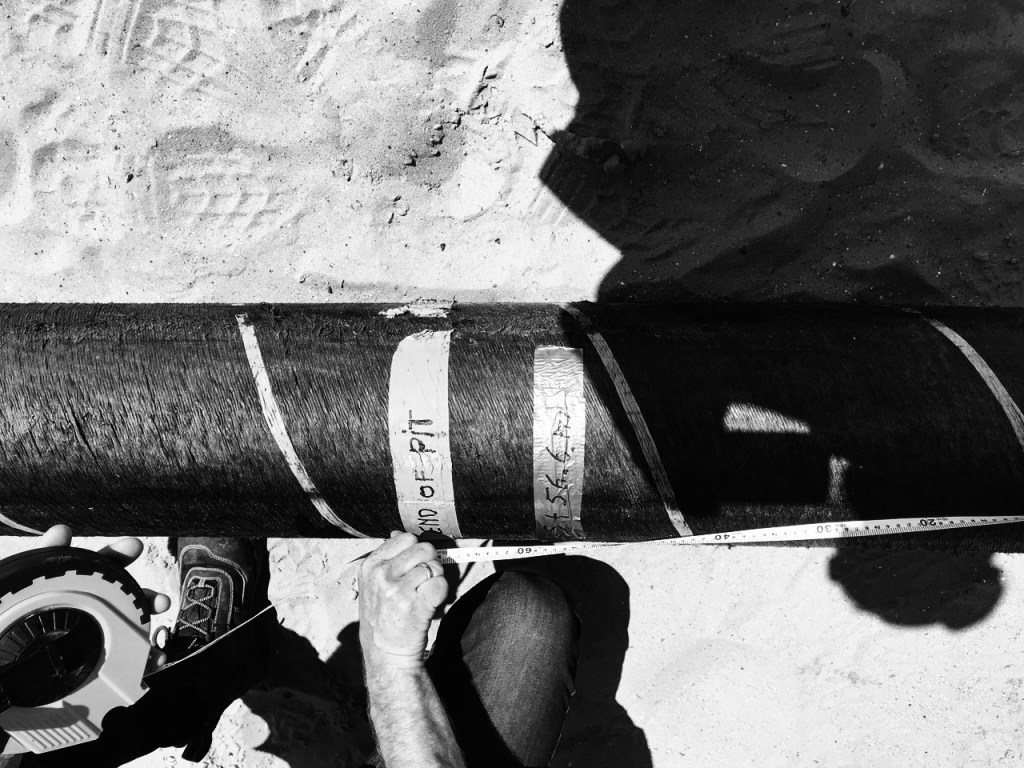
Marine Warranty Services
Today MWS activities have broadened considerably to include operations that are unique to offshore structures compared to the earlier days where the major of MWS activities were limited to selection of ships and tugs for transporting cargos, approving operations of loadout, lifting, offloading, and sea fastening of cargos during transportation.
To provide clarity and understanding of the role of MWS, few commonly used terminologies, e.g., marine warranty, suitability survey, off-hire survey, on-hire survey, review of certificate, review of documents and calculations, certificate of approval, etc. are first described before outlining the scope of MWS services, MWS activities, and requirements and criteria of selected items.
Marine Warranty is offered by underwriters for a fee to carry out marine operations to an insured company. This fee is normally referred to as an “insurance premium” which depends on the type of marine operation and the nature of risks (or “perils of the sea”) of the operational activities, and the value in case of accident or loss. Often the insured company obtains the insurance from the underwriters, using a broker as an agent. All marine operations carry certain risk, and to minimise the risk and to protect their interest, the underwriters may write a “warranty” clause in the insurance policy that would require an independent technical assessment and approval by a technical and competent marine surveyor and/or a company. The underwriter may recommend a marine surveyor and/or company for such an assessment. Underwriters should also consider, at the pre-qualification stage, the suitability of the proposed MWS companies. Although the insured company is normally required to pay for the MWS, the MWS primarily protects the interest of the underwriter. A typical marine project may have many marine operations phases that could include activities on land, e.g., moving cargoes in trailer or trucks, pulling and/or sliding cargoes with or without using jacks, lifting of cargo, etc., Each of these operational phases may need to be approved by designated MWS for insurance coverage. Any operation without the approval and presence of MWS will be considered a breach of the warranty and consequently the insurance coverage may lapse.
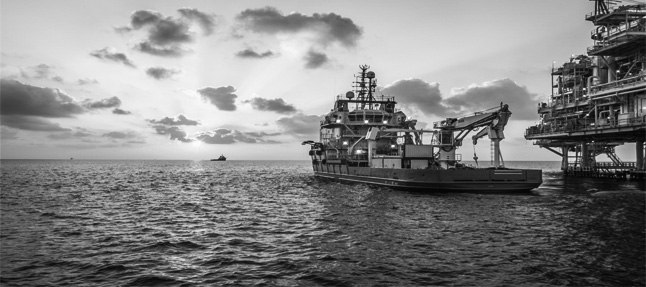
A Suitability survey is commonly referred to survey activities to assess suitability of ships, barges, tugs, etc. for their intended usages. MWS conducts such surveys to assess a proposed vessel regarding certain operation, such as cargo transportation, capability of a tug for towing a cargo barge, launching a jacket, etc. During the survey, the surveyor will use all the pertinent project information, e.g., transportation route (inshore and Offshore), bathymetrical data of the route, weather condition during tow, etc., beside the vessel specific information, such as condition of the vessel, lightship characteristics, certificates of classification society and other regulatory agencies, pumping capabilities, bollard pull of tug, capacity of deck of a deck cargo barge, etc. The assured must obtain a written document from the surveyor stating that the proposed vessel is fit for the intended use and any items requiring attention are closed out.
On-hire and Off-hire surveys are carried out to compare the condition of the vessel before and after the specific contract or phase to see if there was any damage to the vessel during the marine operation. The survey may not be included in the marine warranty unless they are specifically included. The vessel owner may use another surveyor to conduct such a survey.
Review of Certificates (depending on the specific marine operation) includes but not limited to, certificates of crane including crane capability radius and lifting chart, slings, shackles, pin, jacking system, mooring ropes (wire and/or chain), winches, valid classification certificates, bollard pull certification, weighing certificates, any test certificate, including planned maintenance routines etc.
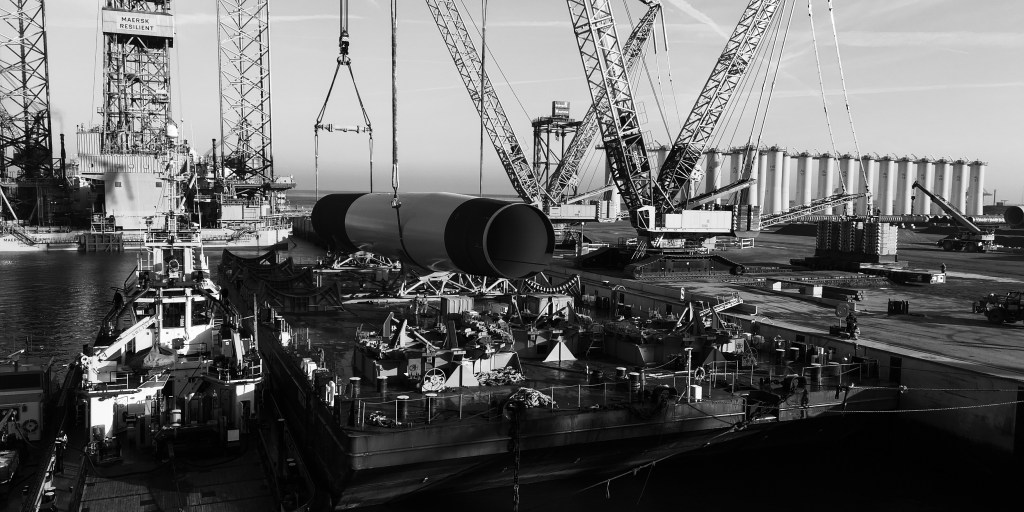
Review of Documents includes all relevant documents that appertain to the specific marine operation, but not excluding, stability information provided by regulatory agencies, Periodic and Annual survey reports provided by classification society, CMID, OVID, etc.
The MWS will review all relevant marine procedures, method statements e.g., ballast/de-ballast loadout, rigging, launching, installation, etc
A Review of Calculations includes all calculations pertaining to mooring arrangement during loadout, berthing condition prior to sail-away, bollard pull, ballasting, lifting, sliding, sea keeping, design of seafastening structures, structural integrity of cargo and vessels, pile driving, on-bottom stability, etc.
A Certificate of Approval (COA) is issued by the attending MW surveyor prior to commencement of each marine operation. By issuing a COA, it is implied that the MWS company finds the proposed marine operation acceptable based on review of all relevant document revisions, calculations, certificates, procedures, etc. The acceptability is based on meeting industry practices, best practices codes, regulations, criteria, and sound engineering principles. It is to be noted that carrying out any marine operation before obtaining COA or deviating from the approved operation without the consent of the attending surveyor may cause breach of warranty.
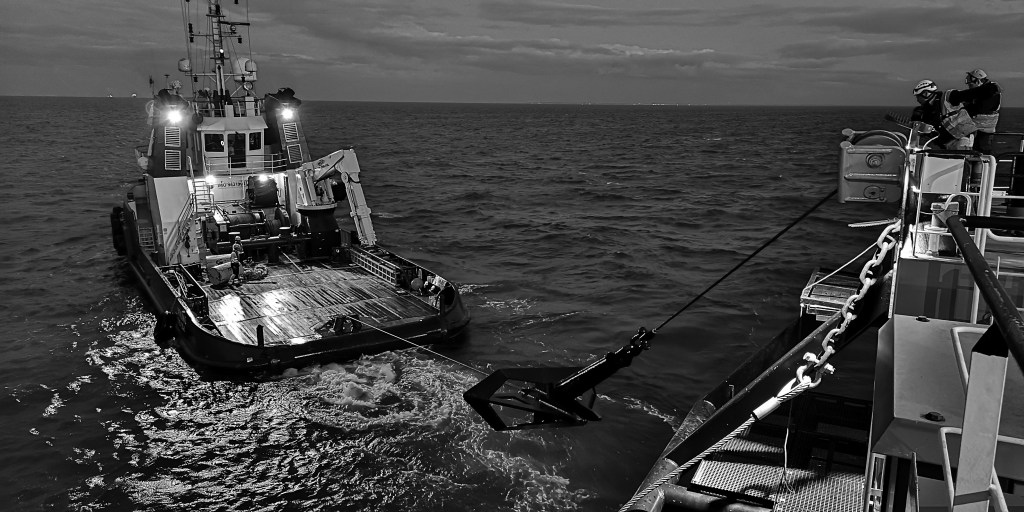
Scope of MWS Services and Responsibility A marine warranty surveyor, unless hired to serve as marine consultant, is appointed to protect the interest of the underwriter. To carry out the duty properly, the surveyor should only approve marine operations that would not have considerable risk of damaging property, human life and the environment. Although all marine operations carry some “risk” element, it is essential that these risks are kept “as low as reasonably practicable’ (ALARP). The MW surveyor may note that the marine warranty companies are not contractually obligated with any of the assured’s contractors, e.g., tug operators, shipyards, installation contractor, riggers, designers, etc and can therefore issue no instructions to them. Although an experienced mariner (surveyor) is the one who has the final authority to issue the COA and is visible during the actual marine operations, the marine warranty services consist of five basic elements, e.g.,
- Review engineering documents and calculations,
- Verify equipment and related certificates,
- Review marine operation procedures,
- Attend marine operations,
- Prepare a report.
A MW surveyor should at all times, act as an independent unbiased entity during the execution of his services to protect the interest of underwriter. Although MWS do not necessarily include advisory services, it has been generally found that client companies are highly benefited by including such experienced services in the scope of work at an early stage. The increase in cost for such services is minimal, but the return is high because of cost savings by eliminating and/or reducing re-work and maintaining the schedule. Even when such services are not included to start with, very often they are asked to play roles of advisor to break impasse that may have arisen due to:
- Not meeting the original design criteria,
- Non availability of proposed equipment,
- Last minute changes in procedures,
- Disputes between various participating parties that may have arisen due to any or all of the above items.
Marine warranty personnel should be encouraged to provide advice and/or independent calculations as long as they recognise that such calculations and/or advice, when complied by the contractors, in effect become warranties themselves. Thus, when offering such services, marine warranty personnel should take great care that advice and/or calculations are proper for the intended operations. It is important for MW surveyors to maintain un-biased in their review and approval process, and to remember that their primary aim is to ensure all risk elements at each stage of the marine operations “ALARP”. They may face situations when they may be improperly accused of “playing too safe” “erring on the side of caution”. Thus, it is important to recognise that while exercising due diligence, they should avoid the practices of “playing too safe”. It is the broker’s and/or owner’s responsibility to contact the MW surveyor for providing the details of marine activities and scope of insurance coverage at the earliest opportunity enabling informed decisions by the MWS. Delays in contacting MWS Company can often lead to slippage of the scheduled marine activities.
Review of Engineering Documents and Calculations, The onsite MWS is supported by a team of engineers specialised primarily in the areas of naval architecture, ocean, offshore, metocean, and structural engineering. First, the relevant engineers should first go over the documents to see if the materials include engineering calculations to cover the scope of marine activities using the proposed facilities. The review of engineering documents and calculations is to confirm not only that they are appropriate for the proposed marine activities but also they are in accordance with proper engineering principles, codes, criteria, and industry practices. It is very common for MW engineer (s) to carry out independent analyses to supplement the submitted calculations to expedite the procedure of review and approval. These calculations, unless the contract is otherwise obligated to, are not provided to the contractor or to the assured party.

Verify Equipment and Certificates is one of the most important tasks of an attending MWS who is to inspect the equipment, such as cargo barge, pipe lay barge, derrick barge, tug for towing, etc., as well as the facilities for their suitability for the intended operation. The inspection of ships, barges, tugs, etc. is inspected to carry out on-hire and off-hire surveys to assess the suitability of the candidate vessels. Facilities of fabrication, loadout, and installation are usually selected before MW company gets involved. MWS company do not approve such facilities. While attending the marine operation, the surveyor should get well familiarised with the facilities regarding capability and limitations so that he can suggest and/or recommend changing procedures when necessary to suit the chosen facility. Equipment certificates are mainly related to the crane capacity, mooring chain and wire rope, slings, shackles, pins, jacking system, vessel class certificates, periodic and annual survey reports, stability letter by classification societies and/or regulatory bodies, bollard pull certificate of tug, etc. Many of these certificates are verified on site while attending marine operation activities. Other documents, e.g., stability letters, classification certificates, etc. are verified by engineering staff in the office. MW personnel verify the validity of the certificates with respect to time, rated capacity and the suitability for the proposed activity.
Review Marine Operation Procedures In an ideal situation, the attending surveyor should familiarise with the proposed marine operations before coming to the site of operation. The warranty surveyor must have the knowledge, experience, and ability to review each proposed marine operation on its own merit and to decide whether or not it is reasonable and safe. Most of the operations that he might review conform to widely used industry practices and he will therefore be guided by established rules, guidelines, and procedures. For unusual operations, he may have to consult other personnel and engineers in MWS office for their opinion. Nevertheless, whether the proposed marine operation is normal or unusual, the MW engineering personnel should always review the procedure for their feasibility and confirming that procedure is supported by proper calculations. The surveyor should be kept informed about the engineering review and advised if any precautionary measure is to be taken during the operation. The surveyor should try to determine if there is any deviation in the procedure from “industry practices” that may increase the risk of the marine operation. If an increase in risk is found, it will be the surveyor’s prerogative to accept the procedure as presented or he may either recommend modifying the procedure, or impose restrictions, e.g., environmental limit, incorporating contingency plan, additional survey requirement and/or attendances, etc. to reduce the risk to acceptable level.
Safety of human lives and environment should be the major consideration when developing the procedures. The procedures should be outlined in steps with well thought-out contingency plans in case of harsh weather, failure of equipment, damage of any components, etc.
Attend Marine Operations On arriving at the facilities, the surveyor should assess the procedure with respect to the capability of the facilities and identify any deficiency that may need to be attended for the success of planned marine operation. The surveyor should have open communication with the engineering personnel for advice and to resolve any issues and concerns.
The Marine Warranty Surveyor is to verify on site the conditions and/or certificates of all equipment. e.g., slings, shackles, pins, mooring lines, pumps for ballasting, cranes, pulling system, jacking system, theodolites for levelling, site condition, such as condition of dock/ pier, loading beams, etc. He should review the contingency plans for their suitability with the facilities. To minimise wasting time during the actual operation, the contractor should bring any operational and equipment deviations to the attending surveyor’s attention. The surveyor will take his time reviewing the deviations for the success and safety of the intended marine operation. He may need to discuss the procedure with the expertise at the home office before approving it. The surveyor should attend all the meetings related to marine operation, activities, schedule, personnel assignment. etc. so that he can organise his schedule and communications with key personnel. The attending warranty surveyor issues COA’s prior to any marine operations. The contractors should note that marine operation (s) should not be carried out without obtaining COA prior to the commencement of the actual operation, because it may cause breach of warranty. MWS is to be present on-site during all key activities. All participating parties must note that the attending surveyor may advise stopping and/or abandon certain marine activities whenever such activities in his opinion, is unsafe and chances of success are very low. The stoppage or abandoning operation may be due to weather, equipment shortcoming, facilities, capabilities of personnel, etc. If the contractor fails to comply with the surveyor’s advice, it may lead to breach of warranty.
Marine Activities It is not possible to present a complete list all marine operations that a MWS may get involved in various projects. Marine warranty services are frequently sought for the following types of marine/offshore projects:
- Heavy Lift Cargo operations
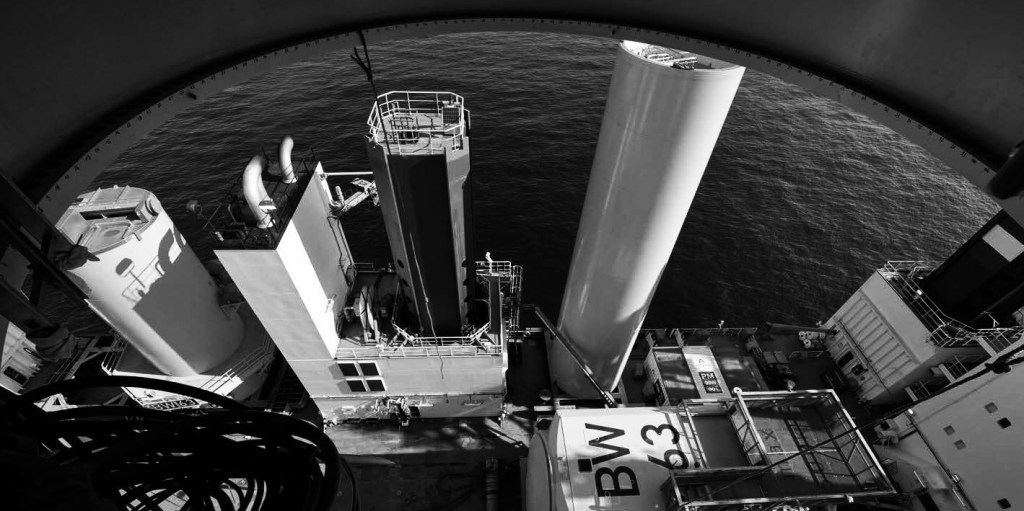
- Offshore wind installations
- Rig shifts
- Test and Trial of Floating Vessels
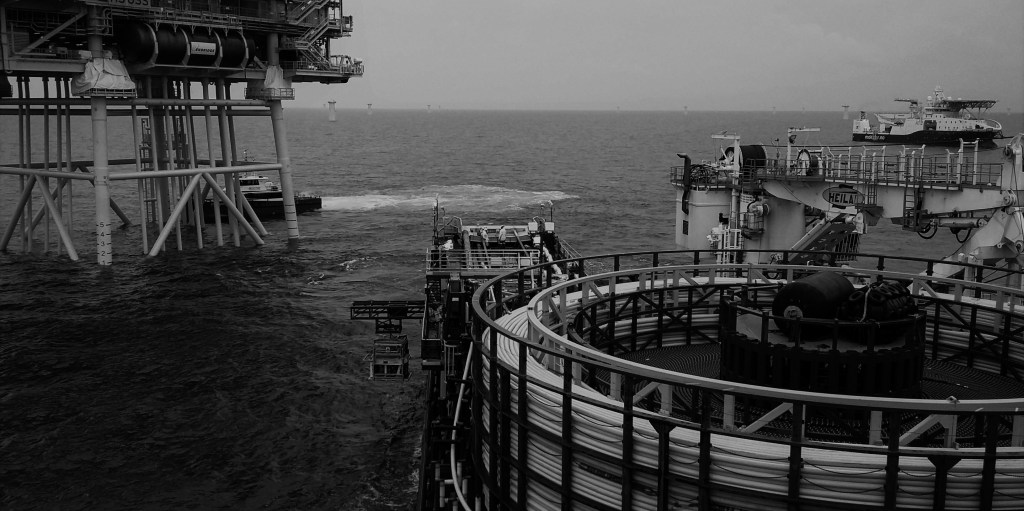
- Inter array, inter connector, and export cable installations
- Vessel suitability surveys
- Ocean Towage
- Offshore Operations
- Loadout, transportation, and installation of fixed jacket type structure

 Kraken Offshore
What about inland water transport
LikeLike
Good day to you Sivarama,
Thank you for your comment, I personally have not been required to cover inland water transport, but the same principles would apply. Many components to offshore projects are constructed inland and transported to loading ports.
Have an enjoyable festive break
LikeLike