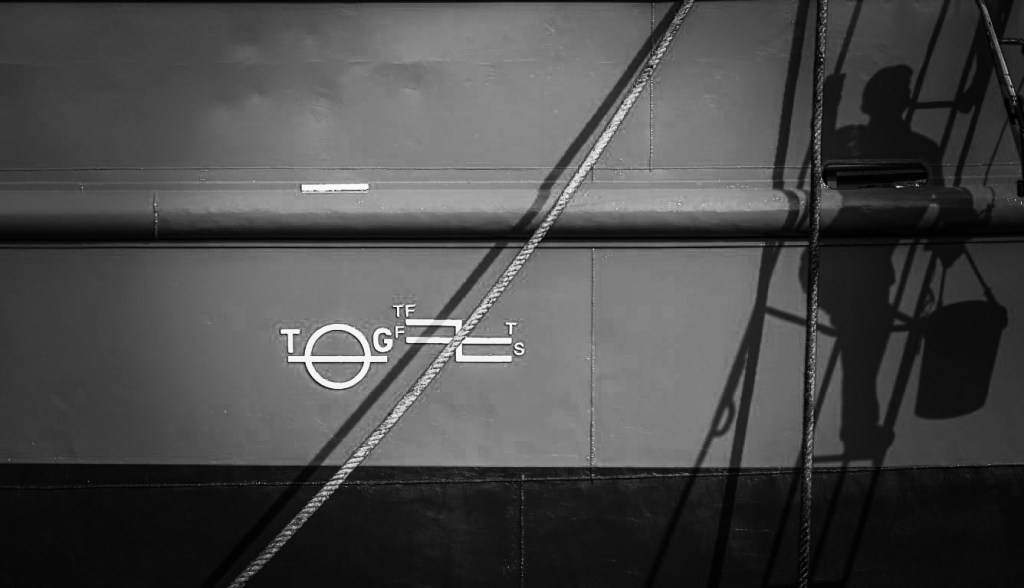
In the eighteenth century, seafaring was an extremely perilous occupation. Navigation and safety systems were limited, and dishonest owners of merchant ships would intentionally overload their vessels with enormous insurance raised on the ship, making them extremely unsafe. These vessels were referred to as “Coffin Ships.” To make matters worse, sailors who had agreed to a voyage but then refused to sail in such vessels could be sent to prison. Samuel Plimsoll was appalled by such disregard for responsibility and took it upon himself to reform safety at sea. Despite facing numerous setbacks from politicians under the grip of maritime merchant interests, Plimsoll eventually succeeded. His solution to the problem, the “Plimsoll Line,” marked a safe load line on the hull of a ship, and it changed seafaring forever. It also marked a significant moment in popular democracy when the British public’s will, in this case, for the protection of their mariners, was heard.

Samuel Plimsoll, born 200 years ago in 1824, is celebrated for creating the Plimsoll Line, a critical safety mark on ships that prevents overloading and has saved countless lives over the years. Alongside his wife Eliza, Plimsoll fought for legal reforms against overloading ships, which was a common and dangerous practice leading to many fatalities at sea. Despite resistance and challenges, including personal vilification, their efforts led to the compulsory use of the load line on ships entering British ports from 1876, with the independent setting of rules by 1890.
The Bust of Samual plimsol may be found following the following link: https://maps.app.goo.gl/j4gc69jXFMgbegGX7
The International Convention of Load Lines, adopted in 1966 and now signed by 162 countries, governs load lines globally. The Plimsolls’ campaign significantly reduced shipwrecks and loss of life, illustrating the importance of safety regulations in the maritime sector. Despite modern advancements, challenges to maritime safety, such as cargo liquefaction and overloading, persist, underscoring the ongoing relevance of Plimsoll’s work in advocating for safety and risk awareness.
The full story can be found here on the Mariners Mirror podcast: Coffin Ships and The Plimsoll Line: Safety at Sea – SNR

 Kraken Offshore