When a dredged mixture of water and light sedimentary material exits a dredgers hopper through its overflow, often significant volumes of air are entrapped within the mixture entering the overflow. This air entrapment is a result of the “hydraulic jump” turbulence generated within the core of the overflow flow.
During discharge, trapped air separates from the overflow plume exiting the hull, having a pronounced effect on the remaining sedimentary dispersion density flow of the dredged mixture, now devoid of air. This weakened strength of the current exiting the under hull overflow aperture causes an undesirable effect, allowing the footprint of the dredge sedimentary material to increase and plume around the vessel.
Plumes with elevated levels of turbidity may have severe impacts on coastal environments. Dredging operations are therefore often forced to reduce production rates to reduce dredge plume footprints in order to comply with environmental regulations, by stopping any overboard discharge and making repeated transits to an agreed dispersal site.
One of the measures to available to reduce the plume footprint is reducing the air entrainment within the dredged material as it enters the overboard discharge with a green valve device, also known as the environmental valve.

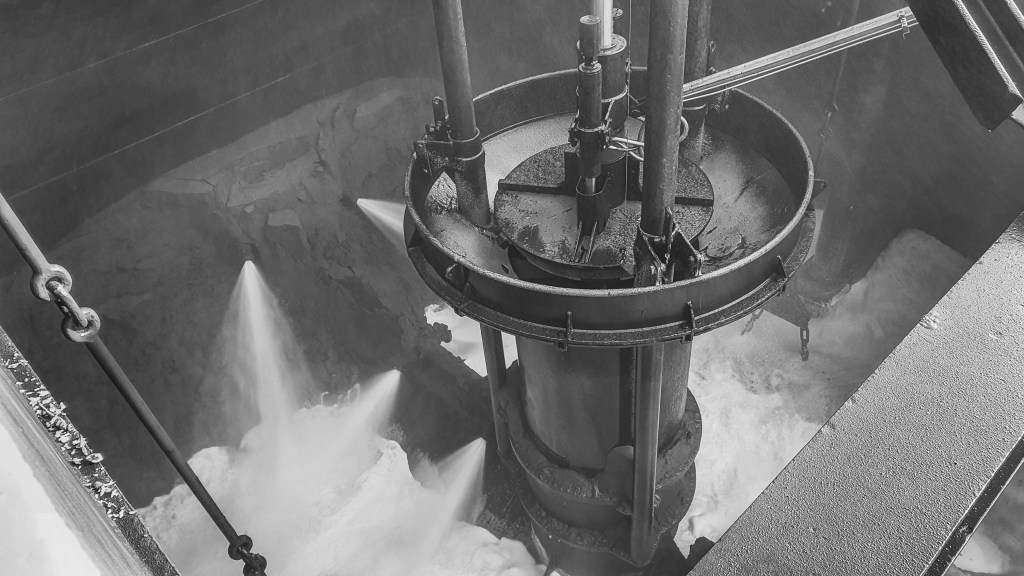
The green or alternatively named environmental valve, is installed into the top of the tubular shaft of the overflow structure as indicated in the attached picture. The fundamental idea of this valve is to increase the hydraulic resistivity inside shaft leading to increased submergence of the overflow, thus resulting in less air entrapment.

 Kraken Offshore