The Panamanian Maritime Authority has issued their Ever Given report, even though very limited information received from the side of the Suez Canal Authority, Its worth a read over a coffee
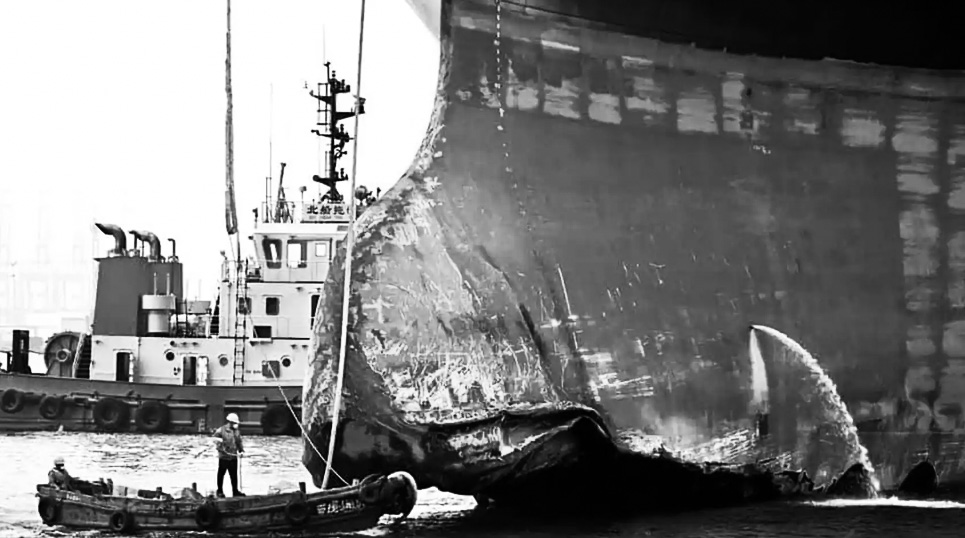
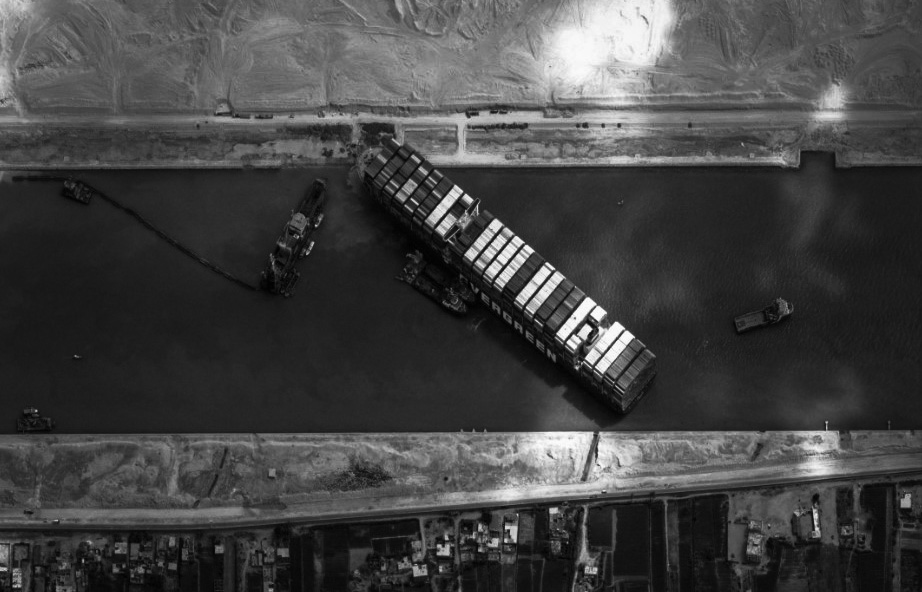
The report identifies the facts in the Ever Given Suez Canal incident On 23 March 2021. The Suez Canal was blocked for six days after the grounding of M/V EVER GIVEN which caused one of the most challenging situations for global shipping in recent times. The 400-metre-long vessel was struck by strong winds on the morning of 23 March 2021, and ended up wedged across the waterway with its bow and stern stuck in the canal banks, blocking all traffic until it could be freed.
Here are the conclusions from the report and please note, limited information was received from the side of the Suez Canal Authority in compiling the report:
- The VTMS, Pilots and Master had not properly evaluated bad weather conditions especially strong winds and reduced visibility, as a risk condition for a VLCC vessel with a large area exposed to the wind.
- The vessel did not implement relative preventive measures against bad weather conditions (i.e., to be aided by tugboats as indicated in the Suez Canal rules Art, 58 escorting tug or even to postpone her Suez Canal transiting).
- The non-use of tugboats in a restricted area to better control the manoeuvrability of the ship, contributed to the occurrence of the grounding.
- The Pilots conducted the pilotage without requesting assistance from the Master, who was more familiar with vessel manoeuvring characteristics.
- Although the captain intervened in the orders given by the pilot, instructing the helmsman to keep the ship in the middle of the channel, they were not effective in preventing the grounding.
- Bridge Team did not realize the vital importance of effective/efficient communication between the bridge crew and pilots. Discussions between Pilots in the Arabic language had, as a result, led to the rest of the Bridge Team not understanding the pilots’ concerns, and potential hazards. This meant no time to effectively conduct a risk assessment, implement corrective actions, or even request assistance to the VTMS.
- According to the Suez Canal regulations, the captain has command of the ship at all times, and the pilot or pilots only fulfil an advisory role.
- The squat and bank effect, the speed and the changes in the direction of the wind and the hard helm orders directly influenced the loss of manoeuvrability of the ship.
The report makes for a good reading based on one sided investigative evidence, Masters transiting the Suez should be aware. The full report can be found here:

 Kraken Offshore